Understanding My Keratoconus
For years, I lived in a world that was slowly fading. By 2007, I realized that standard corrective lenses were no longer working; my vision was becoming an obstacle I couldn't explain. I struggled to read, grew dizzy from a loss of peripheral vision, and began to limit my independence—cutting out all unnecessary driving and only leaving home when someone else could take the wheel. I felt trapped in a "new normal" of isolation and depression.
What I didn’t know then was that I had Keratoconus, a progressive eye disease where the cornea thins and bulges into a cone-like shape. In a healthy eye, the cornea is curved like a basketball; in mine, it had become irregular. This causes light to scatter, creating massive halos and glare that my severe nearsightedness only made worse. Standard glasses cannot smooth out these physical irregularities, which is why I felt so lost even with a prescription.
During those years of shadows, my camera became a near constant companion. The viewfinder was a bridge back to the visible world—the one place where I could still find a sense of focus with a single eye. Even after custom fitted lenses finally gave me back my sight, photography remained my primary way to heal and experience life.
Today, my work is a reminder of the resilience it took to find my way back to the light. It has taught me to value the details of life—the things I once feared I would never see again. The images below demonstrate that journey from distortion to the clarity I cherish today.
I have frequently tried to explain my vision disorder, but nothing I could say would explain how I see the world.
These images are my attempt to make it more understandable.
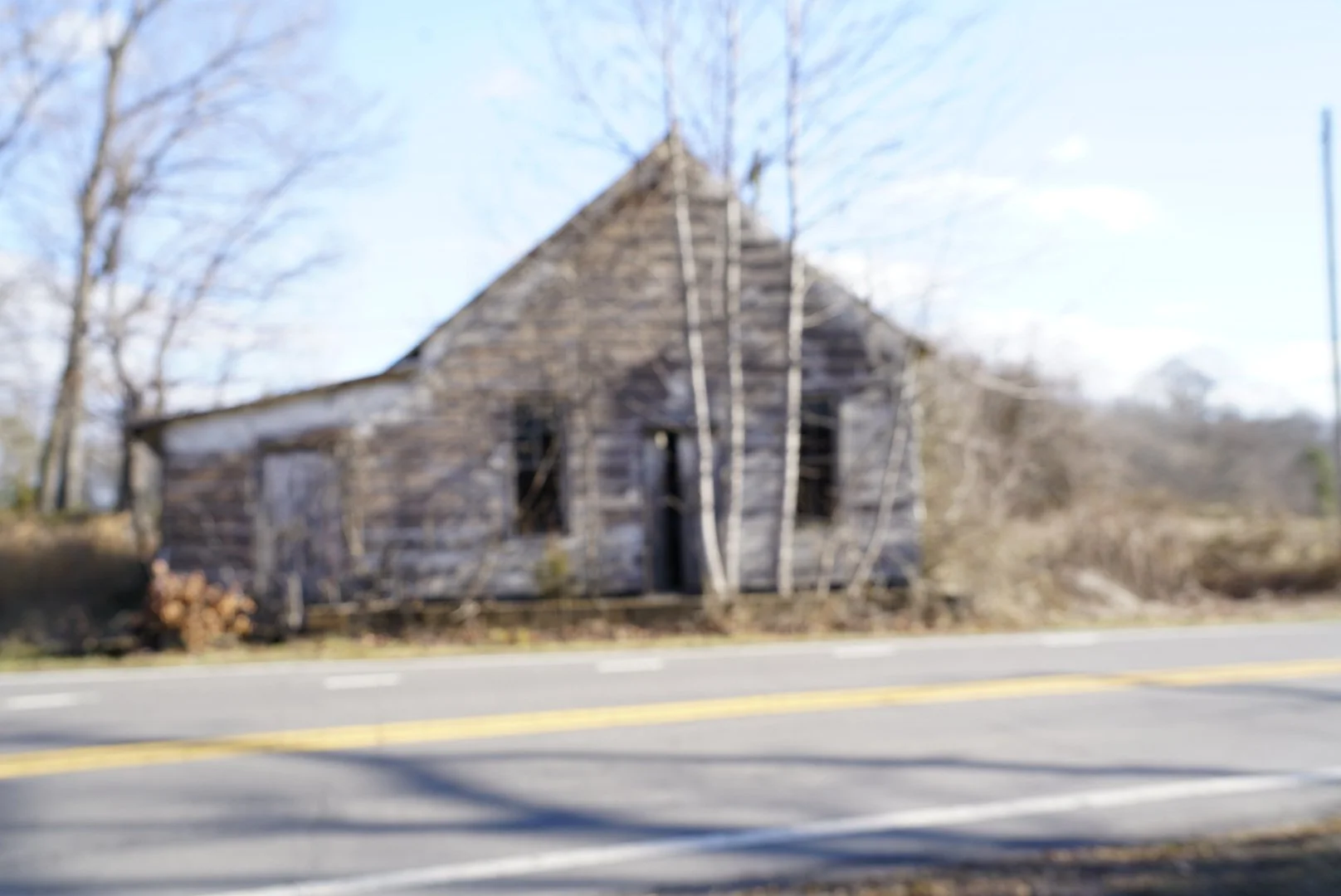
No Corrective Glasses or Lenses By lifting my glasses up and down, I adjusted the camera settings to match to how I see without any corrective help.
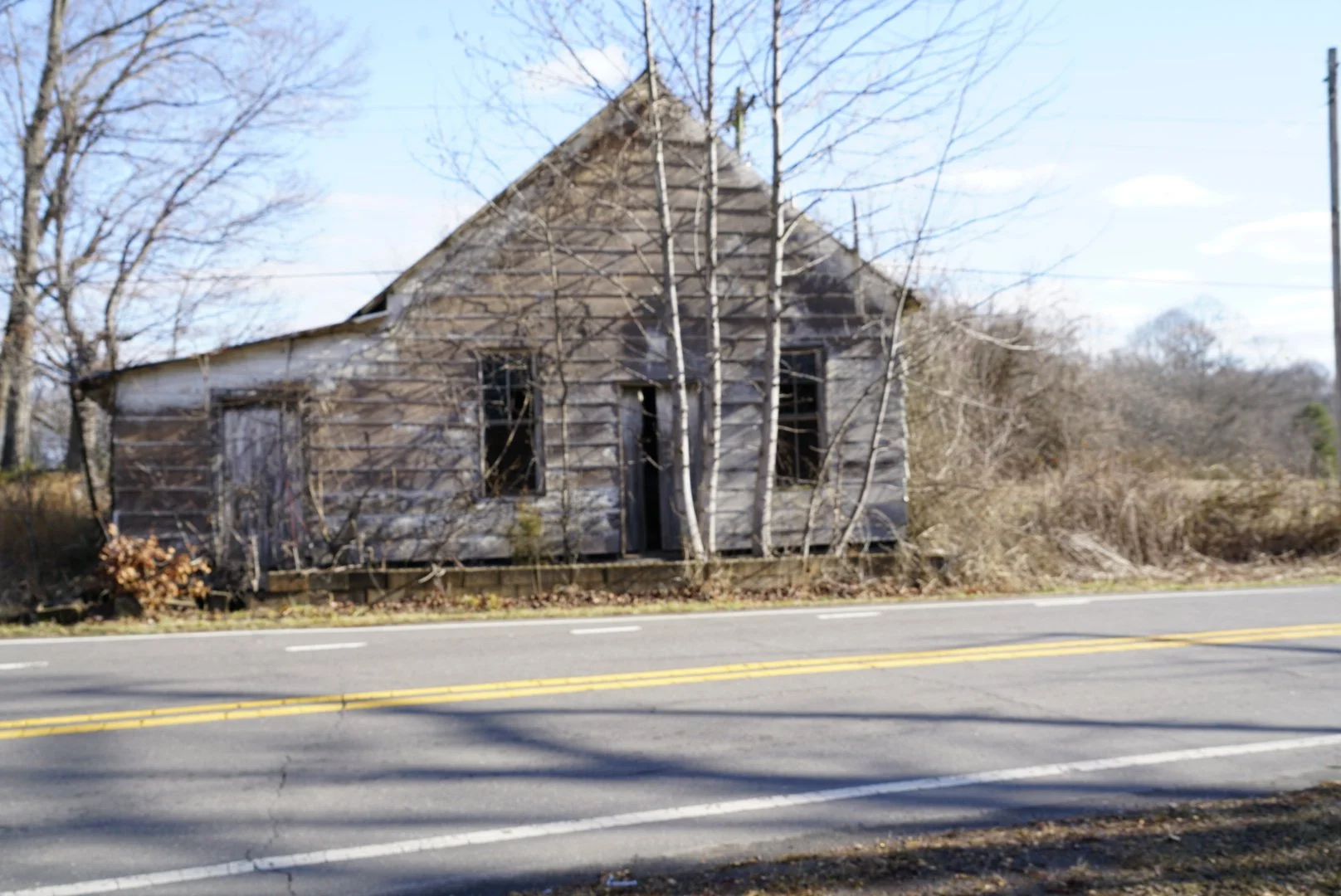
With Glasses I adjusted these with my right glasses lens. It is a bit sharper and more clear.
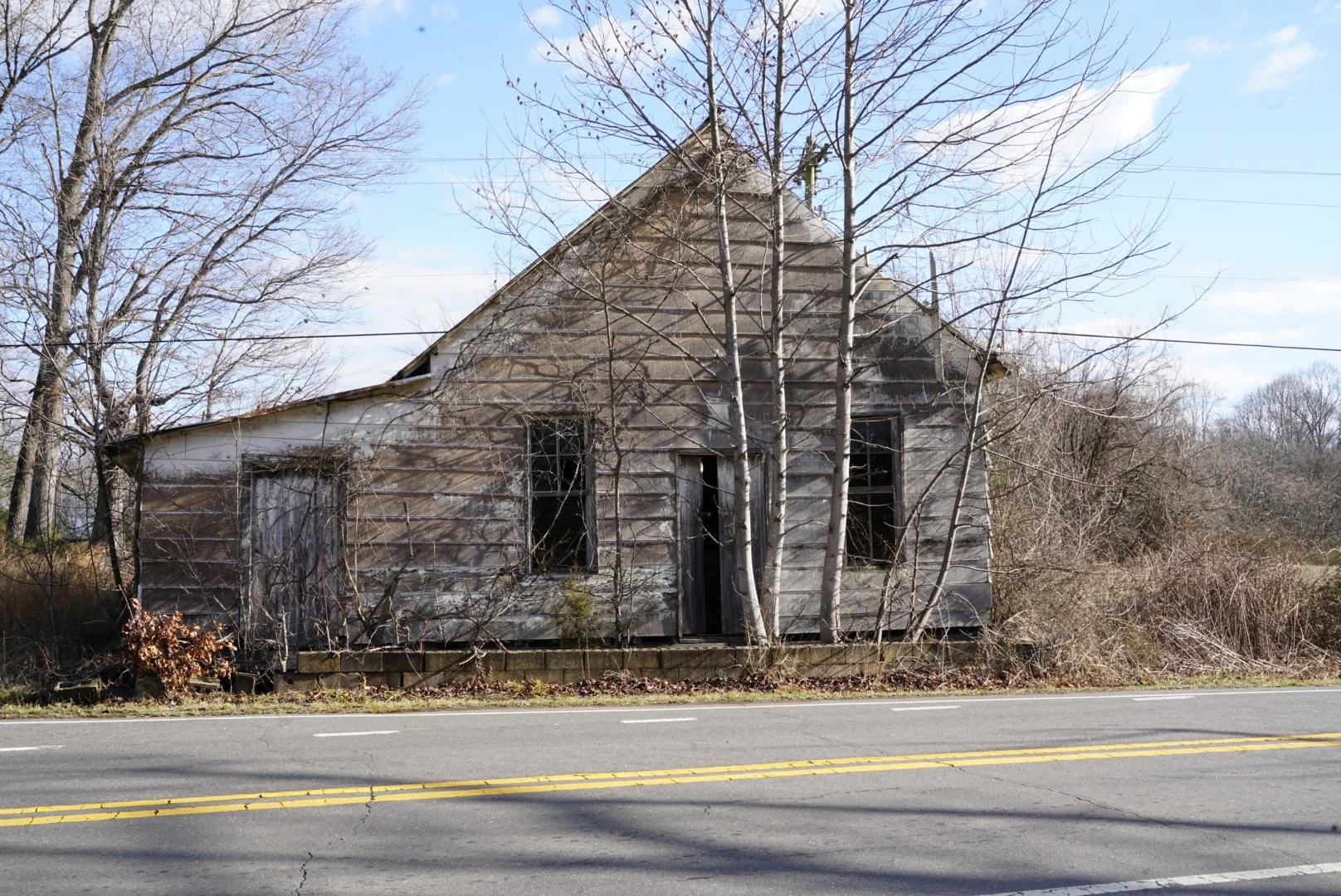
With my Corrective Contacts I put in my contacts, looked through the viewfinder, and immediately asked "Who set this camera up?!!" Then I adjusted to how I see with my RGP contact lenses.